
Traditional senior care has always been fragmented. A nurse visits for medical needs. A separate aide handles personal care. Nobody talks to each other. The family is left piecing together information from three different providers while trying to manage their own lives at the same time.
It’s exhausting, it’s inefficient, and it creates gaps where things fall through. Integrated home care services solve this problem by bringing medical, personal, and companion care under one coordinated plan — so the senior gets consistent support and the family gets a clear picture of what’s happening.
For families in Virginia navigating the complexity of senior care, this approach makes an enormous practical difference.
What Makes Home Care “Integrated”
Integrated home care services mean that every aspect of a senior’s care is coordinated through a single provider rather than assembled from disconnected sources. The skilled nurse managing wound care knows what the personal aide observed that morning. The care coordinator speaks directly to the physician.
This kind of coordination produces better outcomes. Medication errors drop when one team manages the full picture. Health changes get caught earlier because consistent caregivers notice when something is different.
The Core Components of Integrated Senior Care
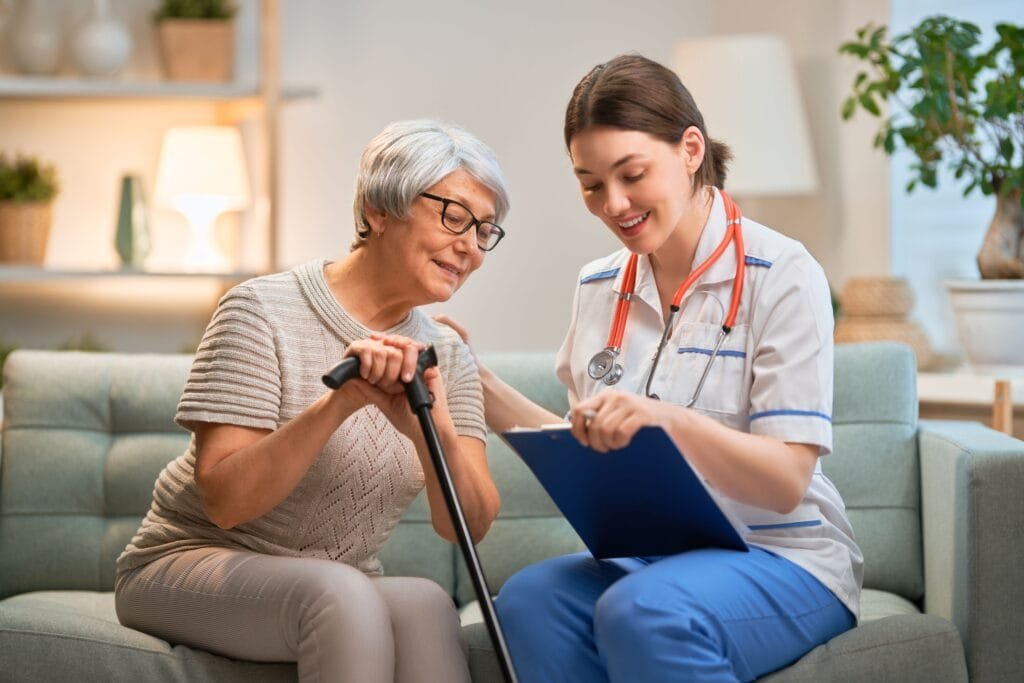
A well-built model of integrated home care services covers several layers simultaneously. Skilled nursing addresses medical needs — chronic disease management, post-surgical recovery, wound care, medication administration, and monitoring of vitals.
Care coordination ties all of it together — regular communication between providers, documented care plans that are updated as needs change, and a family liaison who keeps everyone informed.
Supporting the Whole Family, Not Just the Senior
One of the most significant benefits of integrated home care services is what they do for the family caregivers around the senior. When care is coordinated and consistent, families spend less time managing logistics and more time simply being present with their loved one.
Family caregivers still need structured relief to sustain their own health. JGC Healthcare’s Respite Care Services give family members scheduled breaks with the confidence that their loved one’s care continues seamlessly.
The Role of Consistent Companionship
Within any coordinated care model, companionship is often the component that makes the biggest day-to-day difference in a senior’s quality of life. Skilled care addresses what’s medically necessary. Companion care addresses what makes life worth living — conversation, engagement, routine, and the simple comfort of a familiar face.
JGC Healthcare’s Personal Companion Services provide trained companions who build genuine relationships with seniors over time, supporting cognitive health and emotional well-being alongside everything else the care team delivers.
Conclusion
Fragmented care is the default. Integrated home care services are the upgrade — a smarter, more coordinated approach that produces better outcomes for seniors, less stress for families, and a higher standard of care overall. For Virginia families seeking reliable Home Healthcare Services, contact us to learn how coordinated care can support your loved one at every level.
FAQ’s
What is the main benefit of integrated home care services over traditional home care?
The primary benefit is coordination — integrated home care services connect skilled nursing, personal care, and companionship under one plan, eliminating the communication gaps and scheduling conflicts that cause problems when families piece together separate providers independently.
How do integrated home care services reduce hospital readmissions for seniors?
Consistent caregivers who know a senior’s baseline are far more likely to notice early warning signs before they become emergencies — this early detection, combined with direct communication between the care team and the senior’s physician, is what drives the reduction in preventable hospitalizations.
Are integrated home care services more expensive than standard home care?
Coordinated care often reduces overall costs by preventing hospitalizations, avoiding duplicated services, and catching health changes early — families frequently find that integrated care is more cost-effective over time than managing multiple disconnected providers separately.
How does integrated home care handle changes in a senior’s medical needs?
Care plans within an integrated model are reviewed and updated regularly as the senior’s needs evolve — the care coordinator adjusts the level and type of service without the family needing to source new providers or re-establish care relationships from scratch each time something changes.
Can integrated home care services support seniors with dementia or chronic illness?
Yes — integrated care is particularly well-suited to complex conditions like dementia and chronic illness because consistent caregivers, coordinated communication, and regularly updated care plans address the changing and multi-layered needs these conditions create more effectively than fragmented care ever could.
