
The conversation about what happens when a parent or grandparent can no longer fully manage on their own is one of the hardest conversations families face.
Not a facility. Not a shared room with strangers. Home, where their routines are familiar, their memories live, and their independence feels intact.
Elderly home care makes that possible in a way that nothing else does, providing professional support directly in the environment where seniors are most comfortable and most themselves.
Why Staying Home Matters for Senior Well-Being
Research consistently shows that seniors who remain in their own homes age better than those who move into institutional settings prematurely. Familiar surroundings reduce confusion and anxiety, particularly for seniors with cognitive decline.
Maintaining daily routines preserves a sense of control that matters deeply to older adults. And the emotional weight of leaving a home — often the place where decades of life happened — can accelerate decline in ways that purely medical assessments don’t capture.
Elderly home care addresses the practical gaps that make independent living difficult without stripping away the independence itself. The goal isn’t to take over — it’s to fill in what’s needed so the senior can continue doing as much as possible on their own terms.
What Elderly Home Care Actually Covers
The scope of elderly home care is wider than most families realize. At the personal care level, it includes bathing, dressing, grooming, and toileting — activities that become harder with age but feel most private.
Meal preparation, light housekeeping, and transportation keep daily life running. Companionship addresses the social isolation that is one of the most serious and underappreciated health risks facing older adults today.
Skilled vs. Non-Skilled Home Care
Not all home care is the same level of service. Non-skilled care covers personal assistance and companionship — the daily support that keeps life manageable. Skilled care involves licensed nurses or therapists providing medical-level services at home: wound care, IV therapy, post-surgical recovery support, physical therapy, and monitoring of complex chronic conditions. Many seniors need both levels, and the best home care providers can deliver the full range under one coordinated plan of care.
The Role of Companionship in Senior Independence
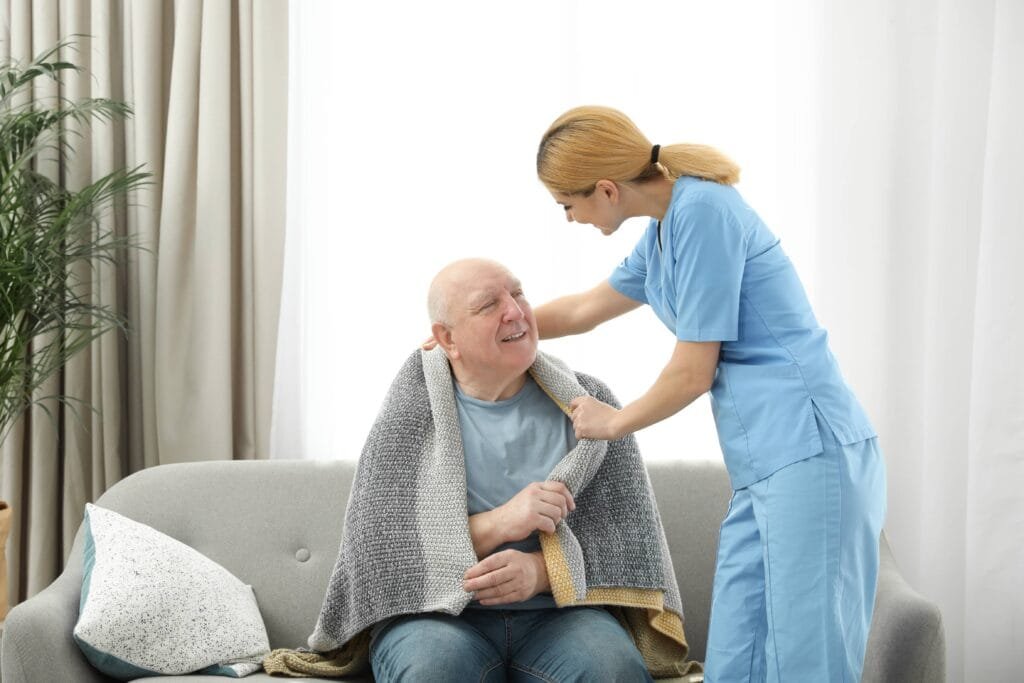
One of the most overlooked components of quality senior care is consistent human presence. Seniors living alone are at significantly higher risk of depression, cognitive decline, and physical deterioration simply from a lack of social engagement.
JGC Healthcare’s Personal Companion Services are built around exactly this need — trained companions who provide a consistent, attentive presence that keeps seniors mentally active, socially connected, and genuinely supported in their daily lives.
Supporting Family Caregivers Alongside Seniors
Families providing care at home carry an enormous load. The physical demands of caregiving, combined with the emotional weight of watching a parent decline, create a level of sustained stress that takes a serious toll.
Scheduled breaks through structured respite support make caregiving sustainable over the long term. JGC Healthcare’s Respite Care Services provide trained professionals who step in so family caregivers can rest, handle personal needs, or simply take time to recover — knowing their loved one’s care has not been interrupted.
Choosing the Right Elderly Home Care Provider
Not every home care agency delivers the same standard of service. The questions worth asking include whether caregivers are licensed and background-checked, whether the agency assigns consistent caregivers rather than rotating strangers, whether care plans are individualized and reviewed regularly, and whether there is 24/7 access to support when something unexpected happens.
Conclusion
Keeping a senior at home with dignity, safety, and a genuine quality of life is entirely achievable with the right elderly home care support in place. The right team handles the gaps, fills in what’s needed, and makes independence sustainable far longer than most families expect is possible.
For families in Virginia looking for trusted, professional Home Healthcare Services, contact us to learn how the available care options can help your loved one stay home safely and comfortably.
FAQ’s
What is the difference between elderly home care and a nursing home?
Elderly home care delivers professional support directly in the senior’s own home, preserving their independence and familiar environment, while a nursing home involves relocating to a shared care facility — most seniors strongly prefer home-based care when it can safely meet their needs.
How do I know if my parent needs elderly home care?
Signs that home care may be needed include difficulty managing medications, missed meals, declining personal hygiene, increased falls or mobility struggles, social withdrawal, and a general decline in the upkeep of their living space that suggests daily tasks are becoming unmanageable alone.
Is elderly home care covered by Medicare or Medicaid in Virginia?
Medicare covers skilled home care services when medically necessary and ordered by a physician, while Medicaid waivers in Virginia can cover a broader range of personal care and companion services — eligibility and coverage details vary, so verifying your specific benefits before arranging care is essential.
How many hours of elderly home care does a senior typically need?
Needs vary widely — some seniors need a few hours of companion care weekly, while others require daily or round-the-clock support, and a care coordinator assessment is the most reliable way to determine the right level for your specific situation.
Can elderly home care help seniors with dementia or Alzheimer’s?
Yes — specialized home care for seniors with dementia focuses on maintaining safe routines, reducing confusion, providing consistent companionship, and monitoring for behavioral or health changes, all of which help seniors with cognitive decline remain at home longer and with better quality of life.
