
When a family member starts struggling with daily tasks, getting dressed in the morning, preparing meals, or simply moving around the house safely, the question most families ask is: Do we need a personal care assistant, and what exactly does that mean?
It is one of those decisions that feels heavy at first, mostly because people do not fully understand what a personal care assistant actually does until they are already in the middle of figuring it out.
Quick Summary: What a Personal Care Assistant Does
A personal care assistant provides hands-on, non-medical support that helps individuals maintain their daily routines at home, including bathing, grooming, meal preparation, mobility assistance, and companionship.
They are not nurses, but they are an essential part of a complete care plan for seniors, individuals with disabilities, and anyone recovering from a health event. JGC Healthcare provides professional personal care assistant services across Virginia, backed by 15 years of experience and over 1,200 families served. Contact JGC Healthcare to discuss the right care plan for your family.
What a Personal Care Assistant Actually Does Day to Day
A lot of families come in with a vague idea — someone who helps around the house. The reality is more specific than that. A personal care assistant handles the tasks that keep daily life running when a person can no longer manage them independently or safely on their own.
| Task Category | What It Includes |
| Personal Hygiene | Bathing, grooming, oral care, dressing, and undressing |
| Mobility Support | Transferring, walking assistance, and fall prevention |
| Meal Preparation | Planning, cooking, and feeding assistance where needed |
| Household Tasks | Light cleaning, laundry, errands |
| Companionship | Conversation, activity support, and reducing isolation |
| Appointment Support | Accompanied by medical visits, keeping track of schedules |
The key thing to understand is that a personal care assistant focuses on quality of life and daily functioning, not medical treatment. That line matters when families are deciding what level of care their loved one actually needs.
Who Actually Needs a Personal Care Assistant?
Seniors aging in place who want to stay home longer but need support with daily routines are the most common group. A personal care assistant makes independent living realistic rather than just hopeful. Elderly Care Services are built specifically around supporting seniors through this stage with consistency and dignity.
Individuals with disabilities who need structured daily support benefit enormously from having a reliable personal care assistant who understands their specific routine and needs.
Children with complex medical needs often require personal care support alongside skilled nursing. Pediatric Care Services include personal care components tailored to medically complex children, with nurses holding PALS certification and experience in tube feeding, tracheostomy care, and developmental support.
Family caregivers who are handling everything themselves and running out of capacity. A personal care assistant does not replace the family; it gives the family room to breathe without their loved one going without care.
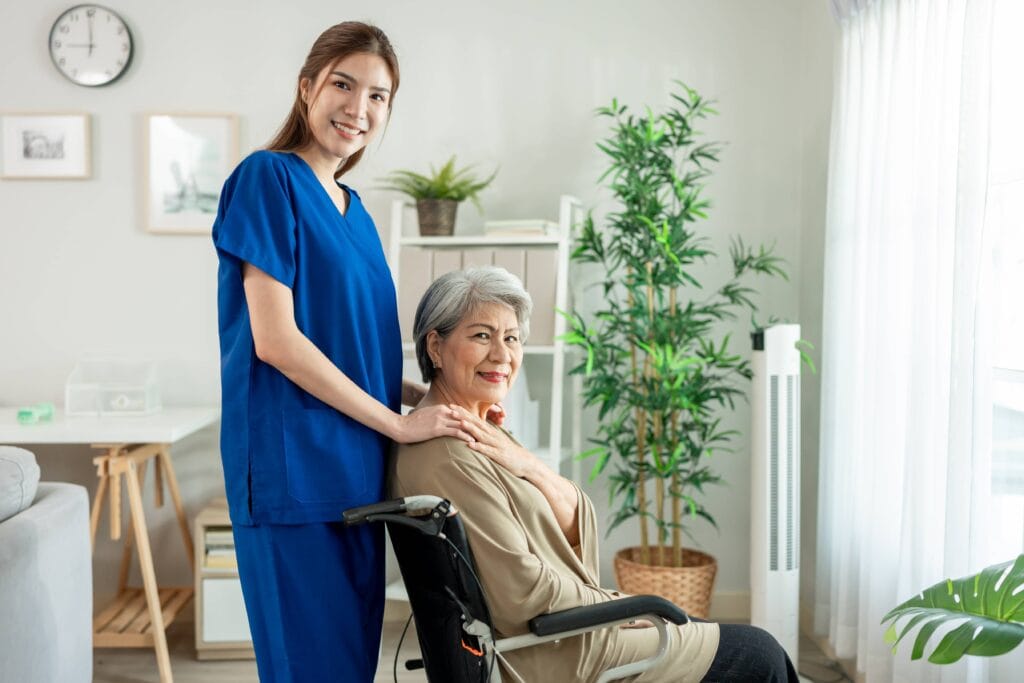
Personal Care Assistant vs. Skilled Nurse: What Is the Difference?
A personal care assistant handles non-medical daily living support. They are trained, supervised, and experienced, but they do not administer medications, manage wound care, or handle clinical procedures.
A skilled nurse handles medical care: IV therapy, wound management, ventilator care, medication administration, and health monitoring. Skilled Nursing Services bring facility-level clinical expertise directly into the home for individuals who need that higher level of care.
Many families end up needing both, and having them coordinated through the same provider makes the whole arrangement far simpler. Home Care Services combine personal care and skilled nursing into one integrated plan that adapts as the person’s needs change over time.
How Personal Care Fits Into a Broader Care Plan
A personal care assistant rarely works in isolation. For most families, they are one part of a care arrangement that covers several different needs at once.
For family caregivers who need regular breaks without disrupting their loved one’s routine, Respite Care Services step in on a schedule that works for the family, whether that is a few hours a week or several consecutive days.
For individuals who need more than task support and who are dealing with loneliness, reduced social connection, or cognitive decline, Personal Companion Services provide structured companionship and engagement that a personal care assistant’s task-focused role does not always cover.
For seniors dealing with more complex age-related conditions, Home Elderly Nursing combines personal care with clinical oversight in a single coordinated arrangement.
Conclusion
A personal care assistant does more than help with daily tasks; they give individuals the ability to stay home, maintain their routines, and hold on to their independence longer than they could otherwise. For families, they provide real relief and the confidence that someone reliable is there when you cannot be.
JGC Healthcare has been providing personal care assistant services across Virginia since 2015. With licensed caregivers, consistent staffing, and 24/7 registered nurse access, the level of support they provide goes well beyond what most families expect from home care. Get in touch here to talk through what the right arrangement looks like for your family.
FAQ’s
What is the main role of a personal care assistant?
Helping with daily living tasks, bathing, dressing, meals, mobility, and companionship so individuals can stay home safely and independently.
Is a personal care assistant the same as a home health aide?
Similar, but not identical. Titles vary by state and provider. The key question is always what specific tasks they are trained and authorized to perform.
How many hours a day does a personal care assistant typically work?
It depends on the individual’s needs. Some families need a few hours daily, others need full-time coverage. JGC Healthcare builds plans around the actual situation, not a fixed package.
Can a personal care assistant administer medication?
No. Medication administration is a clinical task handled by licensed nurses, not personal care assistants.
How do I know if my loved one needs a personal care assistant or a nurse?
If the primary needs are daily living tasks and routine support, a personal care assistant is the right fit. If there are active medical needs, wound care, IV therapy, health monitoring, and skilled nursing are needed, often alongside personal care.
