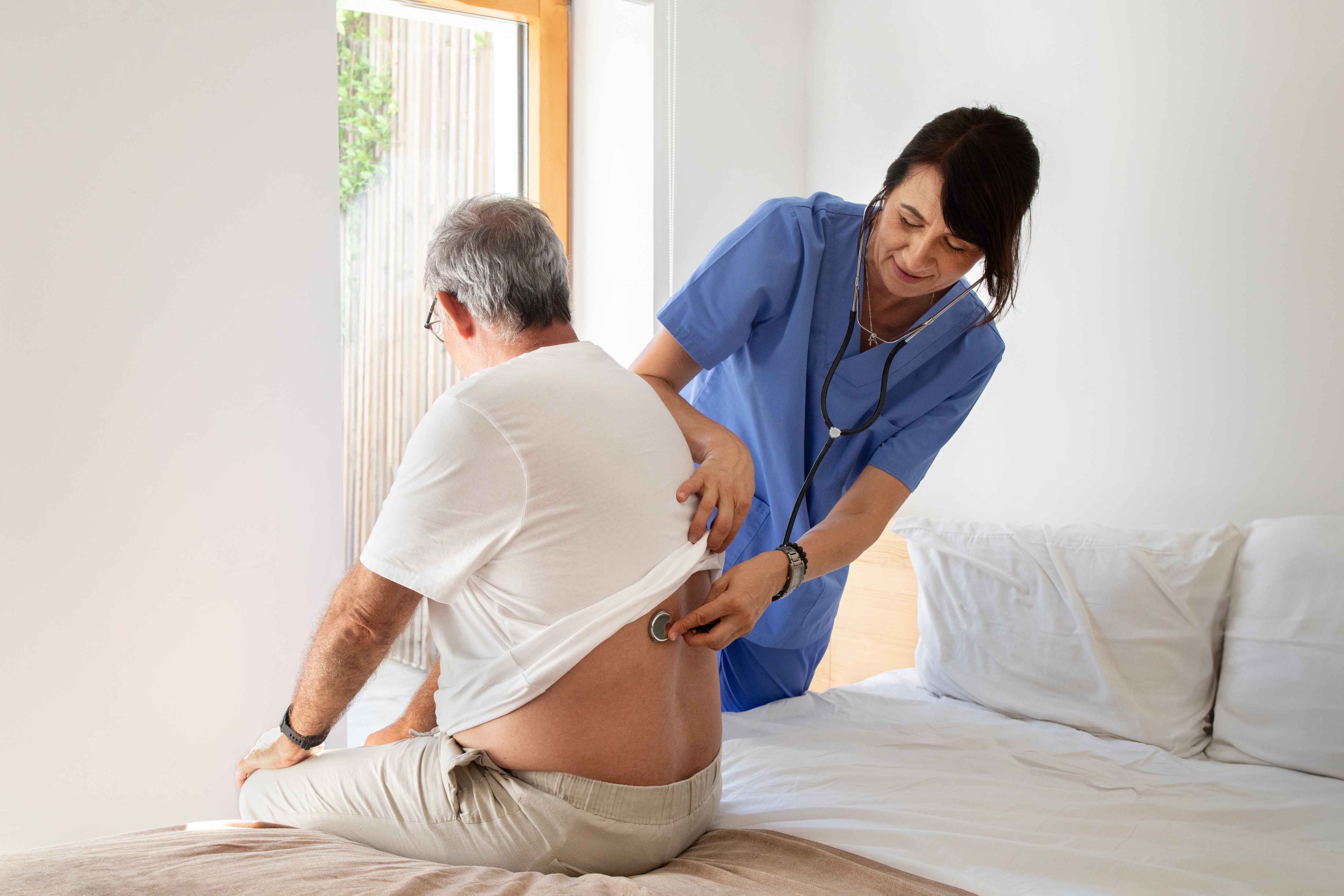
Getting out of bed shouldn’t feel like a decision that needs planning. Tying a shoe, reaching for a dish on a low shelf, standing up from a chair- these small daily moments become genuinely hard once Lower Back Pain settles in and refuses to leave. The good news is that managing it well at home usually comes down to consistent support rather than any single fix.
Quick Summary: Lower Back Pain
JGC Healthcare brings skilled nursing and daily support directly into the home, so managing pain doesn’t mean giving up independence. If daily tasks have become harder to manage safely, reach out to our team here.
Why Lower Back Pain Gets Worse Without the Right Support
The Bend-and-Strain Cycle
Once the lower back is already irritated, ordinary movements like bending to pick something up or twisting to reach a cabinet tend to aggravate it further. Without help nearby, most people just push through those movements anyway, which keeps the cycle going.
When Rest Alone Isn’t Enough
Rest helps in the short term, but too much of it weakens supporting muscles and can actually make things worse over time. The right amount of movement, guided properly, tends to matter more than rest alone.
What Causes Lower Back Pain at Home
Muscle Strain from Daily Tasks
Lifting laundry baskets, bending over the sink, or reaching into a low oven are common, unremarkable moments that quietly strain the lower back again and again.
Age-Related Joint and Disc Changes
Discs lose some of their cushioning with age, and joints stiffen, both of which make the lower back more sensitive to movements that never used to cause trouble.
Poor Posture During Recovery
After an injury or surgery, people often shift how they sit or stand to avoid pain, and that compensation frequently ends up straining the back in a new way entirely.
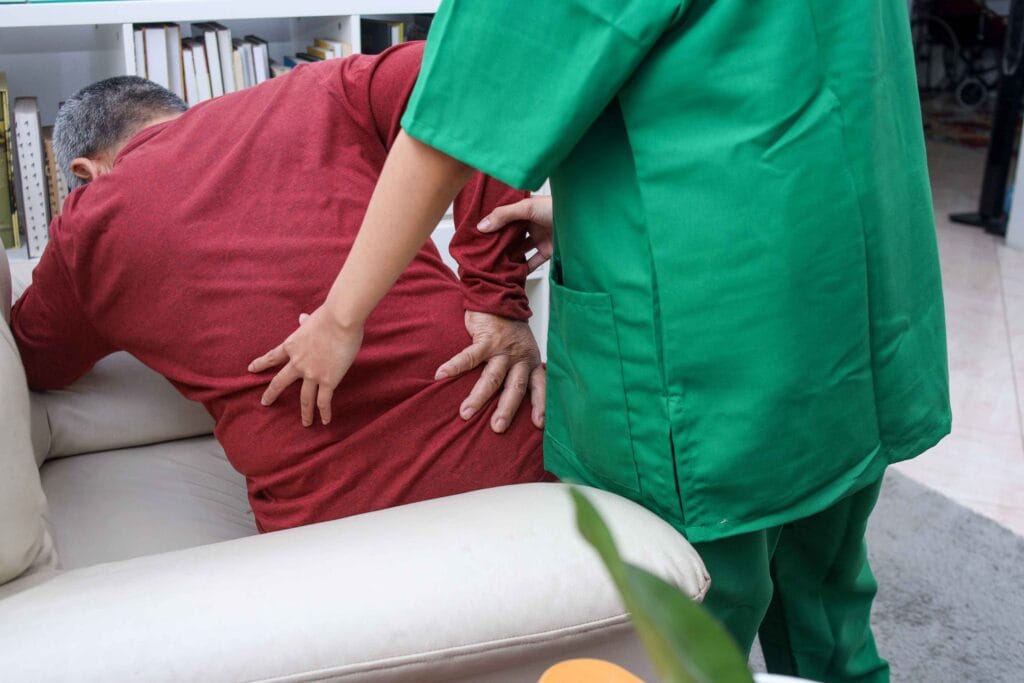
How Skilled Nursing Helps Manage Lower Back Pain
Proper pain management often involves more than a prescription; it means monitoring how medication is working, adjusting a care plan as symptoms change, and catching warning signs before they become an emergency. The Skilled Nursing Services team handles exactly this kind of ongoing, medically informed support directly in the home.
Daily Support That Prevents Re-Injury
A lot of back injuries happen doing completely normal things: showering, getting dressed, moving around the kitchen, simply because nobody was there to help at the right moment. Here’s roughly how that risk changes with consistent support in place.
| Factor | Without Home Support | With Professional Home Healthcare |
| Fall risk during daily tasks | Higher | Reduced with assistance nearby |
| Pain flare frequency | More frequent | Better managed and monitored |
| Medication adherence | Inconsistent | Tracked and adjusted properly |
| Recovery pace | Slower, often stalls | Steadier with guided support |
For help with the everyday tasks that tend to trigger flare-ups, Home Care Services provides hands-on support with the exact movements that cause the most strain.
Lower Back Pain in Older Adults
Older adults dealing with chronic back pain face an added risk, since a fall while managing pain alone can lead to a much more serious injury. The Elderly Care Services team focuses specifically on this balance, helping seniors stay mobile and safe without pushing through pain unsupervised.
Staying Active Without Overdoing It
Gentle, consistent movement genuinely helps Lower Back Pain more than most people expect, but it needs to happen safely and with someone paying attention to form and fatigue. The Personal Companion Services team can support light activity and short walks, making it easier to stay active without the risk of doing too much alone.
Where to Learn More
Chronic pain and persistent tiredness often show up together, and it’s worth understanding how the two connect. This piece on fatigue causes and when to seek home healthcare covers that overlap in more detail.
Conclusion
Managing Lower Back Pain at home works best with steady, professional support rather than trying to push through it alone. Learn more about what a Home Healthcare Service built around your needs can actually look like day to day.
FAQ’s
When should lower back pain be checked by a professional?
If pain lasts more than a few weeks, worsens, or comes with numbness or weakness, it’s worth having it evaluated.
Can home healthcare really help with chronic back pain?
Yes, consistent support with daily tasks and monitored care plans often reduces flare-ups significantly over time.
Is bed rest good for lower back pain?
Short periods help, but prolonged rest tends to weaken supporting muscles and can slow recovery.
Does age make it harder to manage?
It can, since natural joint and disc changes make the back more sensitive, though the right support still helps a great deal.
What’s the biggest risk of managing back pain alone at home?
Falls and re-injury during ordinary tasks, since pain often makes normal movements less stable than they used to be.
