The two words get used almost interchangeably in everyday conversation, but they don’t actually mean the same thing, and the difference matters more than it might seem once care planning enters the picture. Understanding dementia vs Alzheimer’s clearly from the start makes it easier to know what kind of support actually fits a specific situation.
Quick Summary: Dementia vs Alzheimer’s
JGC Healthcare supports families navigating dementia and Alzheimer’s with home care built around each condition’s specific needs. Reach out to our team here to talk through what your family is dealing with.
Dementia vs Alzheimer’s: What’s the Actual Difference
Dementia Is a Syndrome, Not a Single Disease
Dementia is an umbrella term describing a decline in memory, thinking, or reasoning severe enough to interfere with daily life. It’s not one specific disease, but a set of symptoms that several different underlying conditions can cause.
Alzheimer’s Is the Most Common Cause
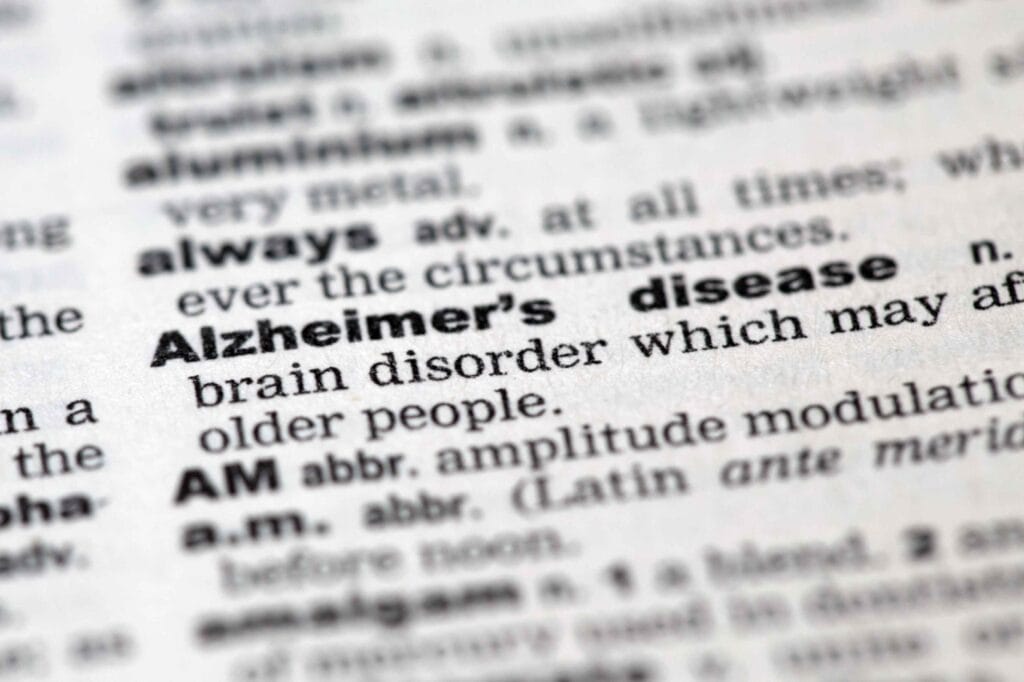
Alzheimer’s disease is the single most common cause of dementia, responsible for a majority of cases, but it’s just one of several conditions that can produce dementia symptoms.
Other Causes of Dementia Worth Knowing
Vascular Dementia
Caused by reduced blood flow to the brain, often following a stroke, vascular dementia tends to progress in noticeable steps rather than the slower, steadier decline typical of Alzheimer’s.
Lewy Body and Frontotemporal Dementia
Lewy body dementia often involves visual hallucinations and movement symptoms alongside memory changes, while frontotemporal dementia tends to affect personality and behavior earlier than memory itself.
How Symptoms Differ in Practice
Comparing dementia vs Alzheimer’s symptoms directly helps clarify why a specific diagnosis matters so much. Alzheimer’s typically starts with short-term memory loss, forgetting recent conversations or misplacing items, before gradually affecting language and reasoning. Other forms of dementia can start quite differently, sometimes with personality changes or movement issues showing up before memory problems become obvious.
Comparing the Two at a Glance
Here’s a rough breakdown of how the two terms typically compare.
| Factor | Dementia (General) | Alzheimer’s Specifically |
| What it is | Umbrella term for symptoms | One specific disease causing those symptoms |
| Common early signs | Varies by underlying cause | Short-term memory loss |
| Progression pattern | Depends on cause | Gradual, steady decline |
| Diagnosis | Requires identifying the cause | A specific diagnosis within dementia |
Why the Distinction Matters for Home Care
Understanding dementia vs Alzheimer’s isn’t just academic; it directly shapes care planning. Care differs depending on the underlying cause, since vascular dementia’s step-like progression calls for different pacing than Alzheimer’s steadier decline, and Lewy body dementia’s hallucinations require their own specific approach entirely.
Medical Support That Adjusts as Needs Change
Both dementia and Alzheimer’s require care plans that evolve over time, since needs at diagnosis look very different from needs several years in. Regardless of where someone falls in the dementia vs Alzheimer’s picture, ongoing medical monitoring matters. The Skilled Nursing Services team monitors these changes closely and adjusts care accordingly.
Building a Safe, Consistent Home Environment
Routine and a predictable environment matter enormously for anyone experiencing memory loss, regardless of where they fall on the dementia vs Alzheimer’s spectrum. The Elderly Care Services team focuses on building exactly this kind of consistent, safe daily structure.
Keeping Connection Alive Even as Memory Changes
Isolation makes cognitive decline harder on everyone involved, and regular, familiar company often matters more than any specific activity. The Personal Companion Services team provides that steady presence and connection throughout the progression of either condition.
Supporting the Family Caregiver Too
Caring for someone with dementia or Alzheimer’s is exhausting in ways that build up slowly, and family caregivers navigating either side of dementia vs Alzheimer’s often need real relief long before they realize how depleted they’ve become. The Respite Care Services team offers exactly that kind of temporary support.
Conclusion
Understanding dementia vs Alzheimer’s isn’t just a technical distinction; it shapes what kind of home care actually fits a family’s situation. Learn more about what a Home Healthcare Services full of home healthcare options can look like for your family.
FAQ’s
Is Alzheimer’s always the cause of dementia symptoms?
No, while it’s the most common cause, several other conditions can also produce dementia symptoms.
Can someone have more than one type of dementia at once?
Yes, mixed dementia, involving more than one underlying cause, is fairly common, especially in older adults.
Does understanding dementia vs Alzheimer’s affect what kind of home care is needed?
Yes, care needs vary depending on the specific symptoms and progression pattern of the underlying condition.
Should a doctor confirm which type someone has?
Yes, a proper diagnosis from a doctor is important, since it shapes treatment and care planning significantly.
Is memory loss always a sign of dementia or Alzheimer’s?
Not necessarily; occasional forgetfulness is common with age, and a doctor can help determine what’s actually going on.
