You know what’s funny? We all know water is important, but ask any senior citizen about their daily water intake, and you’ll probably get a sheepish look. Developing proper hydration habits for older adults gets trickier as birthdays pile up, and that’s exactly why it deserves more attention than it usually gets.
Understanding Why Hydration Habits for Older Adults Matter
Here’s something that catches most people off guard: our bodies actually start lying to us as we age. That reliable thirst signal you’ve counted on your whole life? It starts fading. You could be desperately needing water and feel absolutely nothing.
Then there’s your kidneys. They’re still doing their job, just not quite as well at holding onto the water you need. When seniors don’t get enough water, things can go south quickly. We’re talking urinary tract infections, kidney stones, confusion, dangerous falls, and hospital stays that could’ve been avoided.
Even just being a little dehydrated can mess with your thinking and make everyday activities harder than they should be. This makes establishing strong hydration habits for older adults essential for maintaining independence.
Signs of Dehydration to Watch For
Let me paint you a picture of what dehydration actually looks like. Your mouth feels like you’ve been chewing cotton. You’re tired for no good reason. Standing up makes your head spin a bit. Your bathroom trips are getting less frequent, and when you do go, well, the color isn’t what it should be.
When things get really bad, confusion sets in. Your heart starts racing. Your eyes look sunken. The problem? Too many seniors brush this stuff off as “just getting older.” Family members need to keep their eyes open, especially when it’s hot outside or someone’s fighting off a bug.
Building Strong Hydration Habits for Older Adults: Practical Strategies
Start the Day with Water
Here’s an easy win: before you even think about coffee or breakfast, drink a full glass of water. Put a bottle right there on your nightstand where you can’t miss it. After eight hours of sleep without a single sip, your body needs that water more than you realize.
Create a Schedule
Look, depending on your memory alone? That’s asking for trouble. Set up actual times to drink water throughout your day. Every two hours, your phone buzzes, or your watch reminds you. Even better, tie it to things you already do without thinking.
Taking your morning pills? Drink water. Sitting down for lunch? Drink water. This structured approach makes hydration habits for older adults easier to maintain long-term.
Make Water Accessible
This one’s almost too simple, but it works like magic. Put filled water bottles everywhere you spend time. Kitchen counter, living room side table, next to your favorite chair. When water’s right there staring at you, you’ll drink it. When you have to get up and walk to the kitchen every time, you probably won’t bother.
Track Your Intake
Some people love this approach, others find it tedious, but tracking really does help. Could be as simple as making tick marks on a piece of paper or as fancy as some app on your phone. There’s something satisfying about seeing your progress throughout the day.
Enhancing Hydration Beyond Plain Water
Let’s be honest—drinking plain water all day gets boring fast. And boring doesn’t stick. The good news is that water doesn’t have to mean just water. A nice cup of herbal tea counts. Toss some cucumber slices or lemon wedges into your water bottle for flavor. A warm mug of clear broth on a chilly afternoon does the job too.
Don’t forget about food either. Bite into a wedge of watermelon on a summer day, and you’re hydrating. Cucumbers in your salad? Hydration. A juicy orange for a snack? More hydration. At JGC Healthcare, we get that everyone’s taste buds are different. The key is experimenting until you find what you actually enjoy, because sustainable hydration habits for older adults depend on personal preferences.
Beverages to Limit or Avoid
Now for the stuff that doesn’t help as much as you’d think. Your morning coffee? It’s fine in moderation, but it does make you pee more. The same goes for regular tea. Not saying you have to give them up—just don’t count them as your main hydration source.
Alcohol is a bigger problem. It actively dehydrates you, so if you’re going to have a drink, make sure you’re having extra water to compensate. Those sugary sodas? They’re basically just delivering sugar without doing much for your hydration. Plus, they mess with your blood sugar.
Special Considerations for Medication and Health Conditions
Here’s where things get individual. That blood pressure medication you’re on? If it’s a diuretic, it’s making you lose more fluid than usual. Some pills dry out your mouth or make you sweat more. All of this means you need more water than someone who isn’t taking those medications.
But—and this is important—some health conditions flip the script entirely. Kidney disease, heart failure, and certain other issues might actually mean you need to limit fluids.
This is exactly why you need to have an actual conversation with your doctor about your specific situation when developing hydration habits for older adults.
Environmental Factors That Impact Hydration
Pay attention to what’s happening around you. Summer heat has you sweating more, even if you’re just sitting around. You need more water, period. But here’s what catches people off guard: winter heating dries out the air in your house, and you’re losing moisture with every breath.
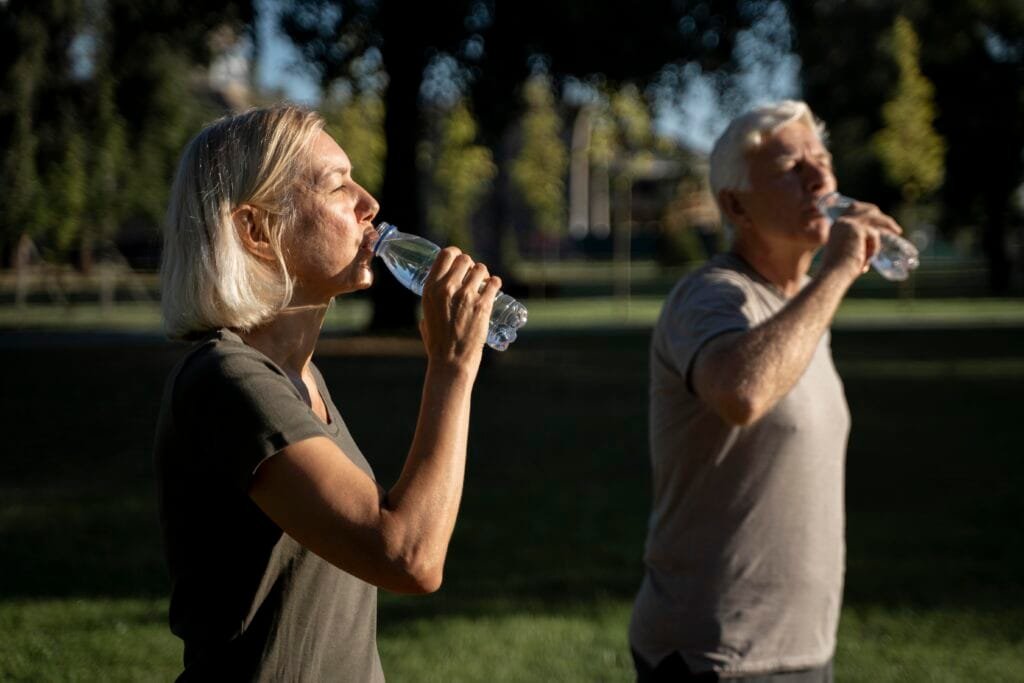
And movement matters. Even gentle activities like a morning walk or pulling weeds in the garden increase what your body needs. Before you head out to do anything active, drink some water. Keep sipping during the activity. Have more when you’re done.
Working with Healthcare Providers
Your regular doctor visits? They’re perfect opportunities to bring up hydration. Blood tests can show if your electrolytes are wonky or if your kidneys need some extra support through adjusted fluid intake. Don’t wait for your doctor to ask—bring it up yourself.
The team at JGC Healthcare makes hydration part of the bigger wellness picture. It’s not just about drinking water; it’s about how healthy hydration habits for older adults fit with medications, activity level, health conditions, and daily routine.
Creating a Supportive Environment
Family and friends make all the difference here. A gentle “Hey, have you had any water today?” from someone who cares beats trying to remember on your own. Make drinking water social—share a pitcher of infused water during visits.
Physical setup matters too. Can you reach the water dispenser without straining? Are your cups easy to grip if arthritis is making your hands stiff? Is the bottle light enough that lifting it isn’t a workout? These practical details determine whether hydration stays easy or becomes one more frustrating challenge.
Conclusion
Getting better at staying hydrated isn’t about perfection—it’s about progress. Understanding why it matters, recognizing what gets in the way, and using practical strategies that fit your actual life. The payoff goes way beyond just preventing dehydration. We’re talking better thinking, more energy, and genuinely feeling better day to day.
Small, consistent changes beat big, dramatic overhauls every single time. Pick one strategy from this guide. Just one. Make it part of your routine until it feels automatic. Successful hydration habits for older adults develop gradually through consistent daily practices that become second nature over time. For personalized support that helps older adults build healthy daily routines, professional elderly care services can make a meaningful difference.
FAQ’s
How much water should seniors drink daily?
Most older adults do well with 6-8 glasses daily, but your mileage may vary based on health conditions and medications.
Why don’t older adults feel thirsty?
As we age, those thirst signals get weaker and less reliable. You genuinely might not feel thirsty even when your body desperately needs water.
Can seniors drink too much water?
Yes, overhydration happens, especially if you’re on certain medications. Talk to your doctor about the right amount for you specifically.
What are the best times to drink water?
Right when you wake up is huge. With your meals and between them throughout the day. Whenever you’re taking medications.
Do all fluids count toward hydration?
Most drinks contribute something, but water remains your best bet—no added sugar, no caffeine complications, just straight-up hydration.
