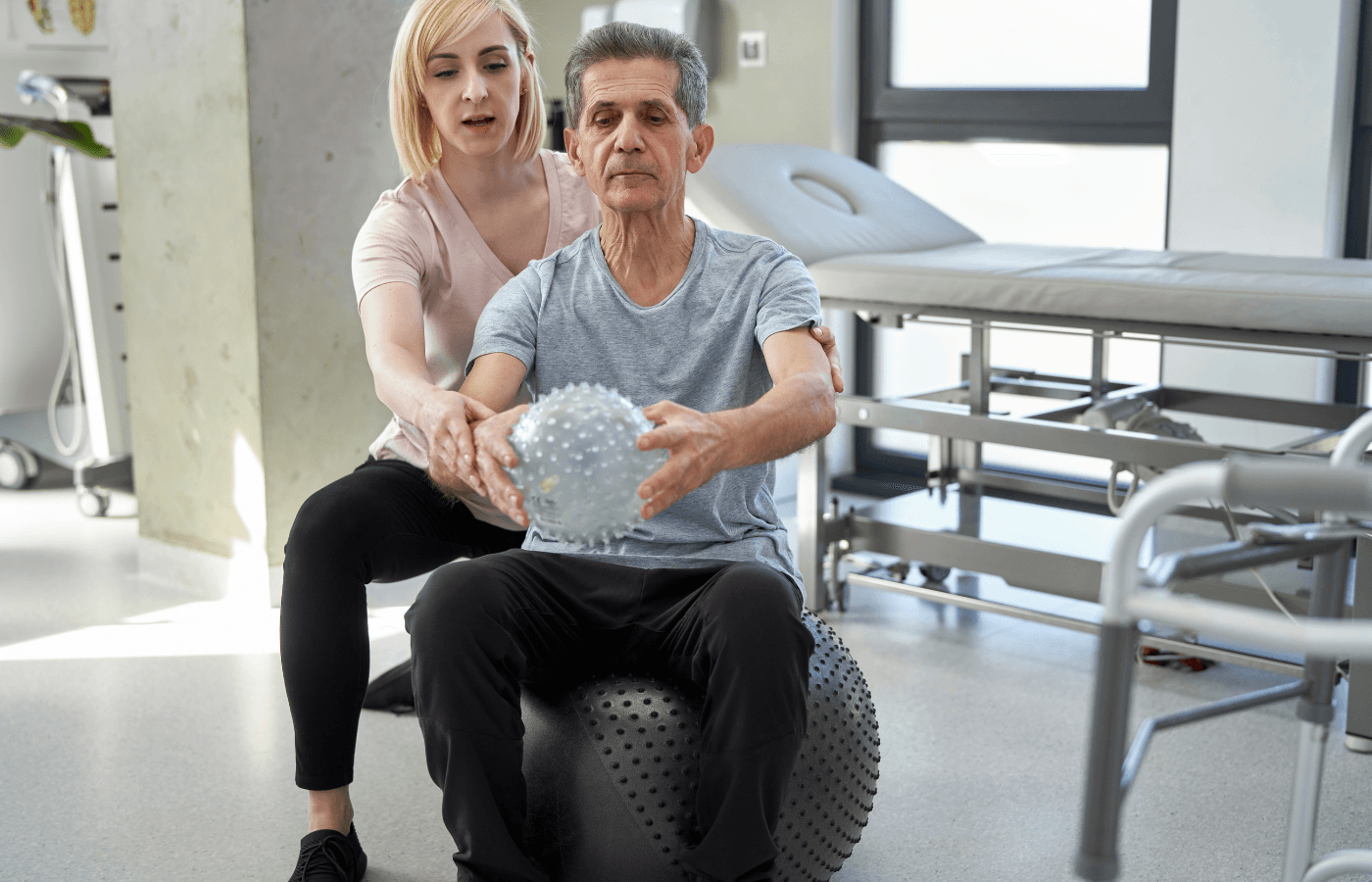
Watching your parent struggle with daily tasks after surgery hits different. One day they’re independent, the next day they need help getting out of bed. You’re stuck wondering—can they recover at home, or do they need something more?
That’s where a nursing & rehabilitation center changes everything. These places aren’t just about keeping elderly folks comfortable. They’re about getting them back on their feet, literally.
Most families wait too long before considering a nursing & rehabilitation center. They think it means giving up or admitting defeat. Reality? It often means giving your loved one the best shot at real recovery instead of just managing decline.
What Makes a Nursing & Rehabilitation Center Different
Regular nursing homes focus on long-term living. A nursing & rehabilitation center focuses on getting better and going home.
The Recovery-First Approach
Every nursing & rehabilitation center builds treatment around one question—how do we get this person functioning again? Not just existing. Actually living.
What separates quality centers from average ones? Coordination. Everyone talks to everyone else about your loved one’s progress. The physical therapist knows what medications the nurse gave. The doctor knows what the occupational therapist observed during morning routines. Nothing falls through cracks.
Medical Care That Actually Watches
Round-the-clock nursing means someone’s always paying attention. Blood pressure spikes at 2 AM? Nurses catch it and call the doctor. Wound starts looking infected? They’re on it before it becomes a hospital emergency.
Many elderly patients take multiple medications. Getting timing and dosages right matters hugely for recovery. Nurses at a nursing & rehabilitation center handle all that, plus watch for side effects or bad drug interactions that families might miss at home.
Who Actually Needs These Services
Not everyone recovering from health issues needs a nursing & rehabilitation center. But certain situations make it basically essential.
Post-Surgery Recovery
Hip replacements, knee surgeries, heart procedures—these leave elderly patients needing intensive therapy they can’t get through occasional home visits. A skilled nursing facility provides a concentrated rehabilitation period where progress happens fast because support stays constant.
Your parent might need help just standing up safely after major surgery. That’s exactly what these centers handle best—bridging that gap between hospital and home when someone’s not quite ready for independence yet.
Stroke Rehabilitation
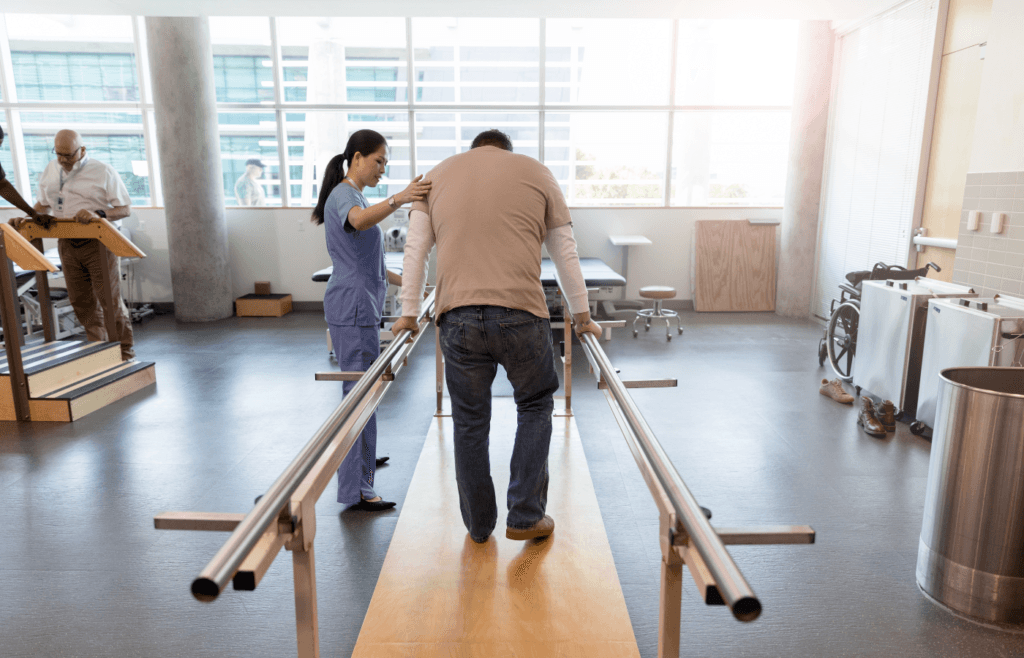
Strokes mess people up in ways that need serious attention. Speech might be slurred. One side of the body might not work right. Balance goes completely off. A nursing & rehabilitation center gives stroke patients multiple therapy sessions daily, which makes a huge difference in how much function they get back.
The sooner intensive therapy starts, the better the outcomes are. Waiting weeks for sporadic home visits means missing that crucial recovery window when the brain’s most ready to relearn lost skills.
Chronic Condition Management
Some elderly folks deal with conditions like diabetes, heart failure, or COPD that need constant monitoring. When these conditions get unstable, a nursing & rehabilitation center provides that watchful environment where medical teams adjust treatments daily based on how the patient responds.
Real Services That Make a Difference
Talk to families whose loved ones recovered at quality centers, and they’ll mention specific things that mattered most.
Skilled Nursing That Never Sleeps
Registered nurses, licensed practical nurses, nursing assistants—there’s always someone qualified nearby. They’re not just checking vitals and giving pills. They’re watching for subtle changes that signal problems brewing before they explode into emergencies.
Wound care happens properly. IV medications are administered safely. Catheters and feeding tubes stay clean and functional. All that medical stuff families struggle with handling at home? Professionals at a nursing & rehabilitation center handle it routinely.
Support Beyond Just Medical
Social workers help families navigate insurance, plan for discharge, and connect with community resources. Sometimes, elderly patients feel depressed or anxious about their situation. Counselors help them work through those feelings instead of pretending everything’s fine when it’s not.
Many centers offer personal companion services that give residents someone to talk to, not just someone to care for them medically. That human connection matters hugely for recovery and mental health.
Respite for Exhausted Families
Caring for a recovering elderly person at home drains families completely. Respite care services at nursing & rehabilitation centers let family caregivers get a break while knowing their loved one receives proper care. Sometimes that breather makes the difference between maintaining home care long-term or burning out completely.
Conclusion
Recovery isn’t automatic just because someone’s at a nursing & rehabilitation center. But quality centers stack the deck in your loved one’s favor.
Home Healthcare Services help bridge the transition when it’s time to leave the center. They don’t just send your loved one home and wish them luck. They set up support systems, schedule follow-up appointments, and make sure someone checks on them regularly after discharge.
The goal isn’t to keep people in the nursing & rehabilitation center forever. It’s getting them strong enough to leave and stay out. That’s how you measure whether a center’s actually doing its job or just collecting payment while patients languish.
FAQ,s
How long do people typically stay at a nursing & rehabilitation center?
Most stays last two to six weeks, depending on the condition and recovery progress. Medicare covers up to 100 days if skilled care remains medically necessary.
Can family members visit anytime at these facilities?
Most quality nursing & rehabilitation centers allow flexible visiting hours, though some may have quiet hours during early morning or late night to let residents rest properly.
What’s the difference between a nursing home and a nursing & rehabilitation center?
Nursing homes focus on long-term living assistance, while a nursing & rehabilitation center concentrates on short-term intensive therapy aimed at returning patients home.
Does Medicare cover costs at rehabilitation facilities?
Medicare covers skilled nursing facility stays for up to 100 days following a qualifying hospital stay of at least three consecutive days, with co-pays after the first 20 days.
How do I know if my parent needs a nursing & rehabilitation center instead of home care?
If they need daily skilled nursing, multiple therapy sessions per day, or constant medical monitoring that home care services can’t safely provide, a center becomes necessary.
