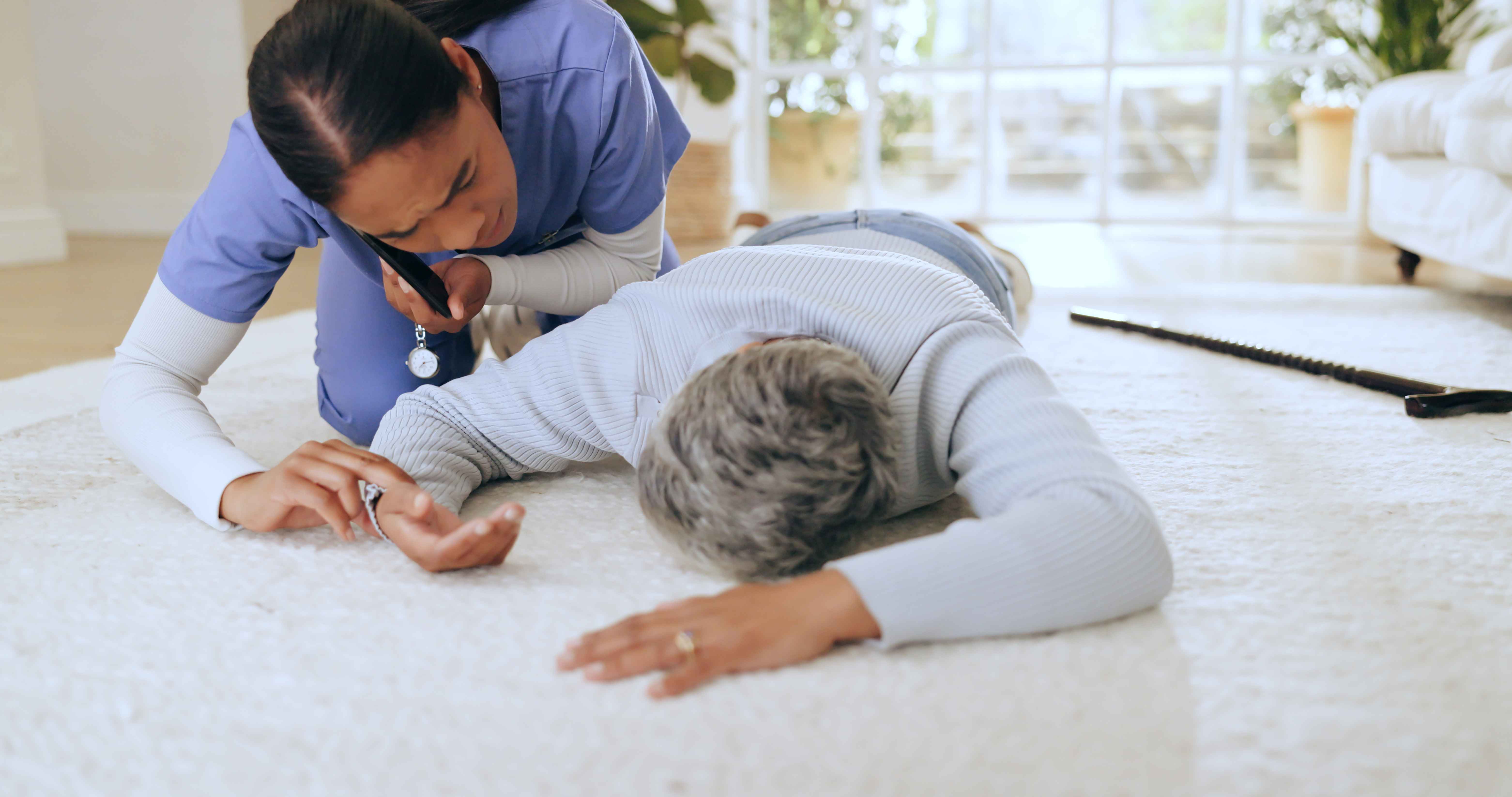
Most falls don’t happen during anything dramatic. They happen when reaching for a dish on a high shelf, stepping out of the shower, or catching a foot on the edge of a rug that’s been there for years. Fall Prevention for Seniors starts with looking honestly at these ordinary moments, not just the obvious hazards.
Quick Summary: Fall Prevention for Seniors
JGC Healthcare helps families identify real fall risks at home and put practical support in place before an injury happens. Reach out to our team here to talk through what your family needs.
Why Fall Prevention for Seniors Starts With the Home Itself
Most Falls Happen During Routine Activities
Getting up at night, walking to the bathroom, or standing up from a low chair account for far more falls than anything unusual or physically demanding.
Small Hazards Cause Most of the Damage
A loose rug edge or a dim hallway rarely seems worth addressing until it’s directly responsible for a fall, which is exactly why these small details deserve real attention.
Common Hazards Worth Addressing Room by Room
Bathrooms and Slippery Surfaces
Wet tile, low toilets, and a lack of grab bars make bathrooms one of the highest-risk rooms in any home for older adults.
Hallways, Stairs, and Poor Lighting
Dim hallways and stairs without clear lighting make it far harder to spot uneven steps or obstacles, especially during nighttime trips.
Common Hazards and Simple Fixes
Here’s a quick breakdown of frequent hazards and what typically helps.
| Hazard | Risk | Simple Fix |
| Loose rugs | Trip and slip risk | Remove or secure with non-slip backing |
| Poor lighting | Missed steps or obstacles | Add nightlights and brighter fixtures |
| No bathroom grab bars | Slipping near tub or toilet | Install grab bars near key spots |
| Cluttered walkways | Tripping hazards | Clear paths of cords and clutter |
Why This Deserves Ongoing Attention, Not a One-Time Fix
Homes and Bodies Both Change Over Time
Fall Prevention for Seniors isn’t a single home inspection checked off once, since both the home environment and a person’s physical condition keep shifting over months and years.
A Near Miss Is a Warning Worth Taking Seriously
A stumble that doesn’t result in an actual fall is still valuable information, often signaling a hazard or physical change worth addressing before it causes real harm.
Physical Factors That Increase Fall Risk
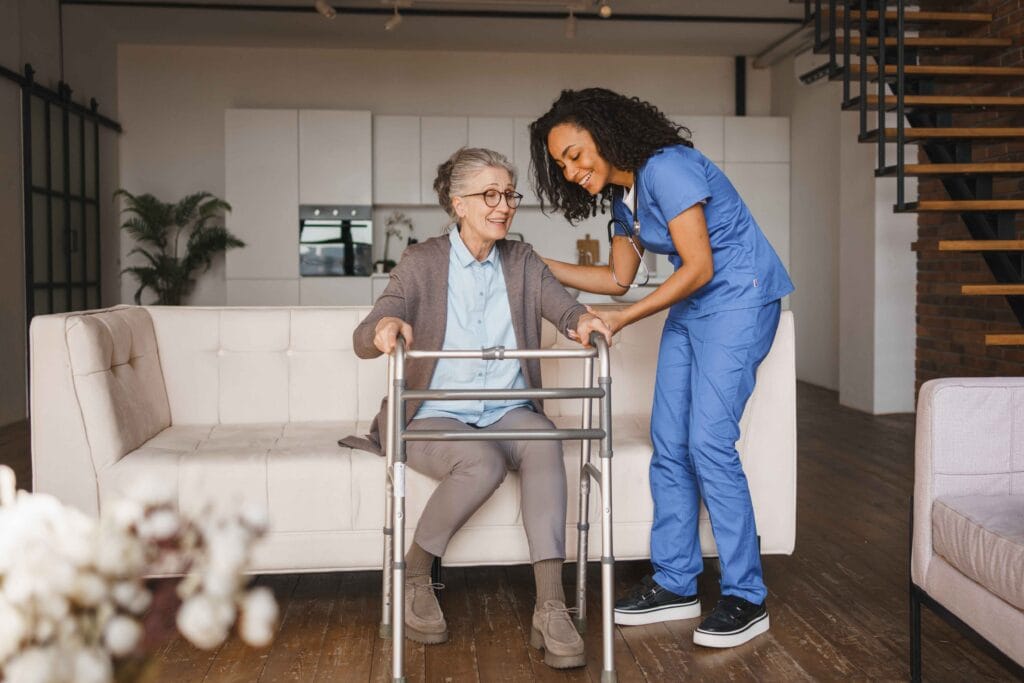
Balance issues, weaker leg strength, and slower reaction time all naturally increase with age, making a well-organized home even more important as these physical changes progress.
Medication Side Effects Often Get Overlooked
Dizziness, drowsiness, and blood pressure changes from certain medications quietly raise fall risk in ways that aren’t always obvious until a fall actually happens. The Skilled Nursing Services team reviews medications regularly to catch these risks early.
Daily Supervision Makes a Real Difference
Simply having someone present during higher-risk moments- getting out of bed, showering, moving around the kitchen, meaningfully reduces the chance of a fall going unnoticed or unassisted, which is exactly the kind of practical Fall Prevention for Seniors that home modifications alone can’t provide. The Home Care Services team provides exactly this kind of daily presence.
Structured Support Built Around Fall Risk
Fall Prevention for Seniors works best as part of a broader, consistent care plan rather than a one-time home inspection. The Elderly Care Services team builds ongoing structure specifically designed around this kind of risk.
Staying Active Without Increasing Risk
Ironically, staying appropriately active actually reduces fall risk by maintaining strength and balance, though it needs to happen safely and with supervision, one of the less obvious pieces of effective Fall Prevention for Seniors. The Personal Companion Services team supports light activity while keeping a close eye on safety.
Conclusion
Fall Prevention for Seniors comes down to consistent attention, addressing small hazards, physical changes, and daily supervision together rather than any single fix. Learn more about what a home healthcare service full of home healthcare options can look like for your family.
FAQ’s
What’s the single most effective Fall Prevention for Seniors change to make first?
Improving lighting and removing loose rugs tends to offer the most immediate risk reduction for the least effort.
Are grab bars really necessary if someone hasn’t fallen yet?
Yes, installing them proactively is far better than waiting for a fall to demonstrate the need.
Can medication really contribute meaningfully to fall risk?
Yes, certain medications cause dizziness or balance issues that significantly increase fall risk, making regular review important.
Does exercise help or hurt Fall Prevention for Seniors?
It helps significantly, since maintaining strength and balance is one of the most effective long-term prevention strategies.
When should a home be professionally assessed for fall risks?
After any fall, or proactively once mobility or balance changes become noticeable, is generally the right time.
