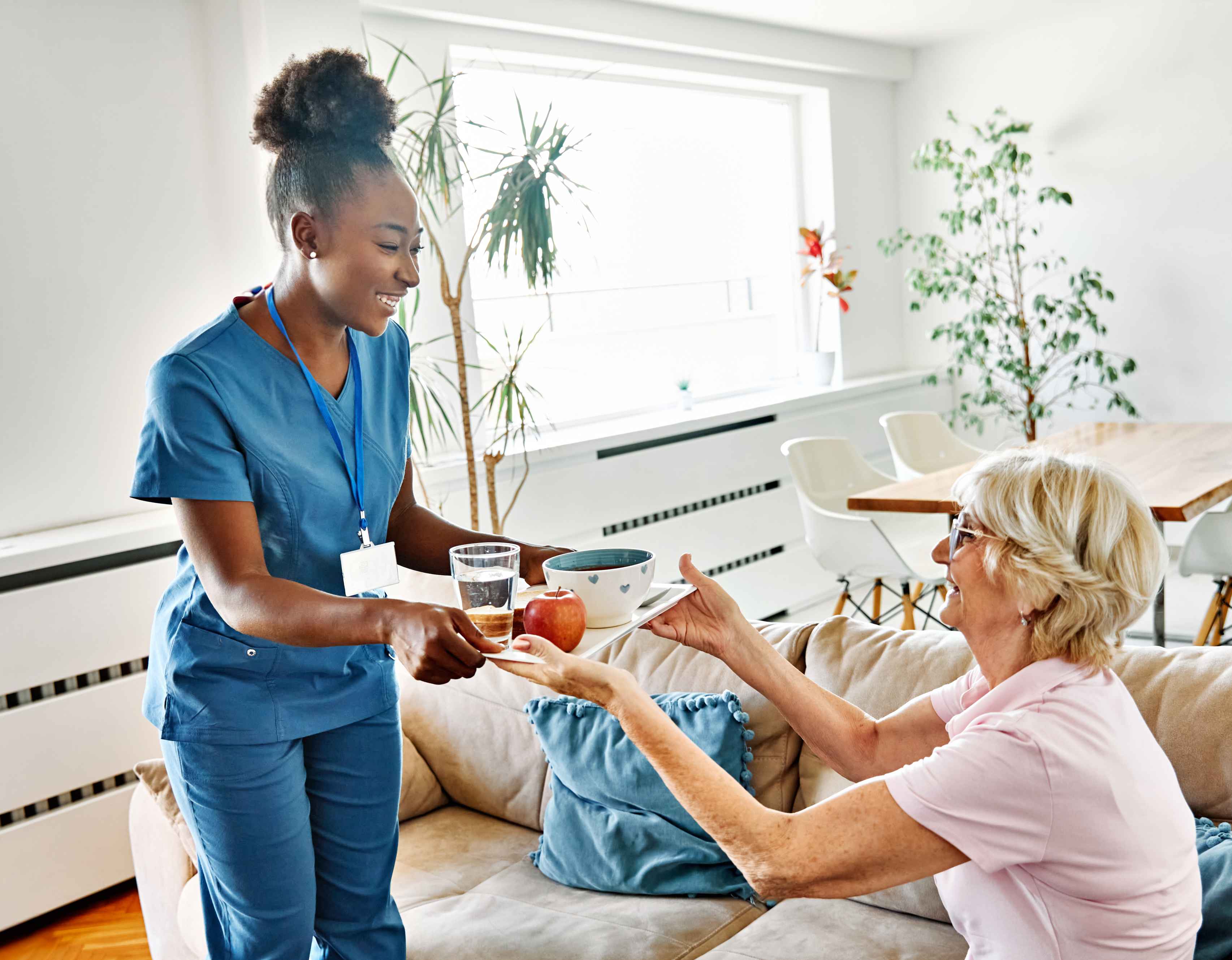
A family member steps in to help, then keeps stepping in until it’s a second job nobody signed up for. It’s how most families end up here, quietly stretched thin trying to cover needs that have outgrown what one person can safely manage alone. Home Care Professionals exist to close exactly that gap, bringing trained, consistent support into a home before burnout becomes the bigger problem.
Quick Summary: Home Care Professionals
JGC Healthcare provides trained, professional in-home support for families managing aging, illness, or recovery, so care doesn’t rest entirely on one person’s shoulders. Reach out to our team to talk through what your family needs.
Why Families Turn to Home Care Professionals
The Gap Between Willing and Able
Most family caregivers are willing to do anything for a loved one. Still, willingness doesn’t automatically come with the physical stamina, medical knowledge, or scheduling flexibility that ongoing care actually demands.
Training Makes a Real Difference
Recognizing warning signs, safely assisting with mobility, and managing medications correctly all take training most families never had reason to learn until suddenly they did.
What Sets Trained Support Apart From Well-Meaning Help
Consistency That Doesn’t Depend on Anyone’s Schedule
A family member’s availability shifts with their own job, kids, and health, but Home Care Professionals show up on a schedule built around the care recipient rather than whoever happens to be free that day.
Accountability That Comes With the Job
Professional caregivers operate under standards and oversight that informal family arrangements simply don’t have, which matters when something goes wrong and needs to be addressed quickly.
Medical-Level Support Without Leaving Home
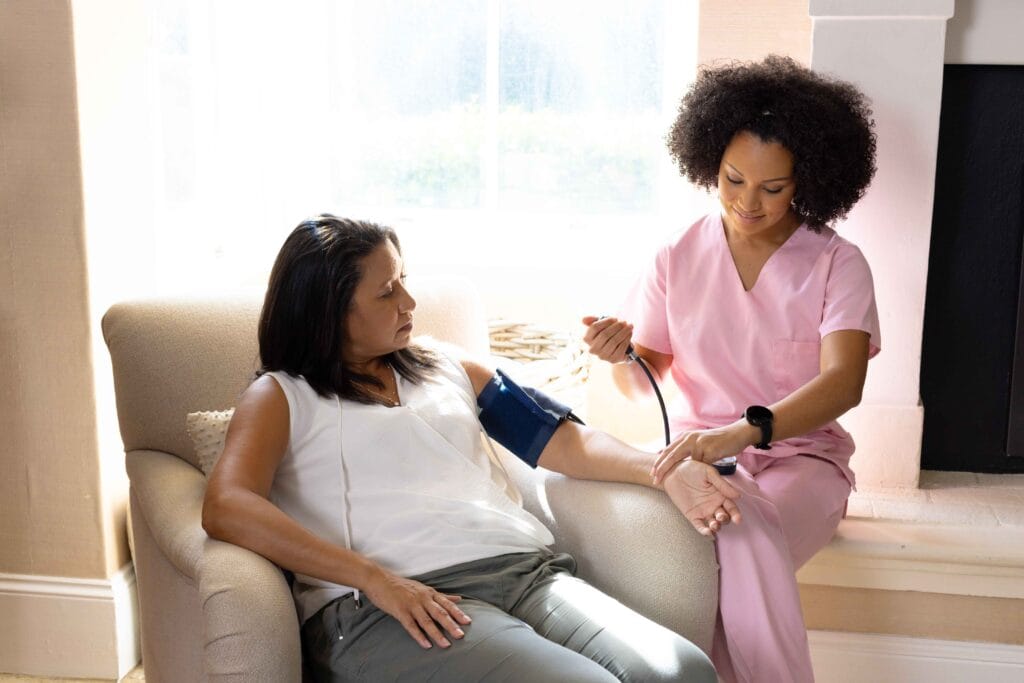
Some care needs go beyond what any well-meaning family member can safely provide, monitoring medication, managing wound care, or tracking symptoms that need a trained eye. The Skilled Nursing Services team brings exactly this level of medical support directly into the home.
Everyday Help That Actually Adds Up
Cooking, light housekeeping, and getting safely around the house rarely feel urgent individually, but together they’re often what determines whether someone can keep living independently at all. The Home Care Services team handles this daily layer of support so nothing quietly slips through the cracks.
Family Care vs Professional Support
Here’s roughly how the two approaches compare over time.
| Factor | Family-Only Care | Home Care Professionals |
| Consistency | Depends on one person’s schedule | Reliable, structured coverage |
| Caregiver burnout risk | High over time | Reduced with shared responsibility |
| Medical oversight | Limited to what’s self-taught | Trained, professional monitoring |
| Cost predictability | Hidden costs, lost work hours | Scales with actual hours needed |
Specialized Support for Aging Adults
Aging brings a specific set of needs- fall risk, medication complexity, mobility changes- that general caregiving advice doesn’t always address well. This is one of the clearest places where Home Care Professionals make a measurable difference compared to family members improvising as needs arise. The Elderly Care Services team focuses specifically on this population, building care around what aging actually requires.
Companionship as a Genuine Health Benefit
Isolation quietly worsens both mental and physical health outcomes, and regular company does more for wellbeing than people often expect from something so simple. The Personal Companion Services team treats social connection as a real part of care, not an afterthought.
Relief for the Family Caregiver Too
Professional support doesn’t just help the person receiving care; it gives exhausted family caregivers room to actually rest without guilt or scrambling for last-minute coverage. Bringing in Home Care Professionals even temporarily can be the difference between a caregiver burning out completely and staying sustainable for the long haul. The Respite Care Services team offers exactly that kind of temporary relief when it’s needed most.
Conclusion
Home Care Professionals exist to make sure care doesn’t rest entirely on one exhausted family member, spreading the responsibility across trained, consistent support instead. Learn more about what a Home Healthcare Services full of home healthcare options can look like for your family.
FAQ’s
How do I know if my family needs Home Care Professionals?
Signs like caregiver exhaustion, missed medications, or safety concerns at home are usually the clearest indicators worth acting on.
Are home care professionals trained for medical needs?
Yes, many provide medically trained support like medication management and wound care, not just general assistance.
Can care hours be adjusted as needs change over time?
Yes, most families start with a set number of hours and adjust as circumstances shift rather than committing to a fixed plan.
Does professional care replace family involvement entirely?
No, it typically works alongside family caregivers, filling gaps rather than replacing the relationship entirely.
Is professional home care only for very serious medical conditions?
No, plenty of families use it simply for daily support, companionship, or occasional respite long before serious medical needs arise.
