
Every summer brings the same warnings about staying hydrated and avoiding the midday sun, yet emergency rooms still fill up with heat-related cases involving older adults who didn’t realize how quickly things had turned dangerous. Age changes how the body handles heat in ways that aren’t always obvious until it’s already a problem.
Quick Summary: Summer Heat
This blog covers why summer heat poses a bigger risk to seniors than most people realize, along with practical ways to stay safe and when professional home support makes a real difference. JGC Healthcare has supported over 1,200 Virginia families since 2015, and you can reach out here to talk through seasonal care options for your loved one.
Why Aging Bodies Struggle More With Heat
The Physical Changes Behind the Risk
The body’s ability to regulate temperature naturally declines with age, meaning summer heat that a younger adult barely notices can push an older adult toward heat exhaustion far faster. Reduced sweating, slower circulation, and certain medications all play a role in why this happens.
Medications That Increase Vulnerability
Diuretics, blood pressure medications, and several other common prescriptions interfere with how the body manages summer heat, often without patients realizing the connection. A quick conversation with a doctor or pharmacist about seasonal adjustments can prevent a lot of unnecessary risk.
Recognizing Heat Exhaustion Before It Escalates
Summer heat-related illness doesn’t always start dramatically; early signs like dizziness, excessive sweating, or unusual fatigue are easy to dismiss as just having a slow day. Catching these symptoms early, before they progress to heat stroke, matters far more than most families realize until it happens.
Practical Steps for Staying Cool Indoors
Keeping a home cool during summer heat isn’t only about running the air conditioning nonstop; closing blinds during peak sun hours, using fans strategically, and staying on the lower floors of a home all help manage indoor temperatures more efficiently. Small adjustments like these add up over a long, hot stretch of weeks.
Hydration Habits That Actually Work
Thirst becomes a less reliable signal with age, so waiting to feel thirsty during summer heat often means someone’s already behind on fluids. Setting a simple schedule, a glass of water with every meal and snack, tends to work better than relying on the body’s natural cues alone.
| Heat Risk Factor | Why It Matters | Support That Helps |
| Reduced ability to regulate temperature | Increases heat exhaustion risk | Skilled Nursing Services |
| Living alone during hot spells | Delayed help if symptoms worsen | Elderly Care Services |
| Difficulty with daily cooling routines | Missed hydration, poor ventilation | Home Care Services |
| Caregiver fatigue during summer | Constant monitoring needed | Respite Care Services |
| Isolation-reducing check-ins | Fewer people are noticing warning signs | Personal Companion Services |
Medical Monitoring for Higher-Risk Seniors
Seniors managing heart conditions, diabetes, or other chronic illnesses face a compounded risk during summer heat, since these conditions already affect circulation and hydration. Skilled Nursing Services provide the kind of medical oversight that catches early warning signs before they become emergencies.
Daily Supervision When It Matters Most
Summer heat is particularly dangerous for seniors who live alone, since symptoms can escalate for hours before anyone notices something’s wrong. Elderly Care Services provide consistent daily presence, which often makes the difference between catching a problem early and a full emergency.
Managing the Daily Details That Add Up
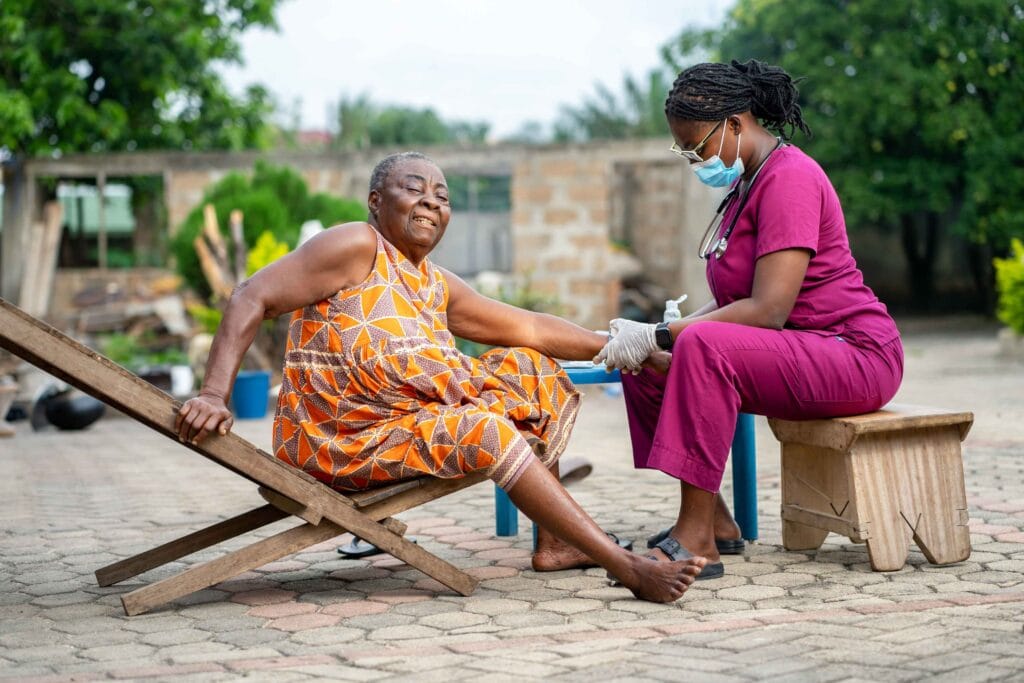
Staying safe during summer heat involves a lot of small daily tasks, such as reminding someone to drink water, adjusting curtains throughout the day, and checking indoor temperatures. Home Care Services handle this kind of ongoing daily support, so nothing slips through the cracks during a long, hot stretch.
Relief for Family Caregivers During Summer Months
Watching over an older parent during summer heat adds an extra layer of vigilance for family caregivers who are often already stretched thin. Respite Care Services offer scheduled breaks so caregivers aren’t carrying that seasonal worry entirely alone.
Regular Check-Ins Catch Problems Early
Isolation becomes riskier during summer heat, specifically because fewer people are checking in regularly, and symptoms can go unnoticed longer as a result. Personal Companion Services provides that regular contact, which often ends up being the first line of defense against a heat-related emergency.
A Quick Note on Medical Guidance
None of this replaces medical advice specific to an individual’s health conditions. Any concerns about medication interactions, chronic illness management, or symptoms related to summer heat should always be directed to a doctor.
Conclusion
Summer heat presents a real risk for seniors, but with the right daily habits and support in place, that risk becomes much more manageable. Visit the Home Healthcare Services page to see the full range of services, or get in touch directly to discuss seasonal support for your family.
FAQ’s
What are the first signs of heat exhaustion in seniors?
Dizziness, excessive sweating, and unusual fatigue are common early signs. These should be taken seriously rather than dismissed as tiredness.
How much water should an older adult drink during summer heat?
It varies by individual, but a doctor can recommend a specific daily target. A general habit of drinking with every meal and snack helps.
Are certain medications riskier during hot weather?
Yes, diuretics and some blood pressure medications increase risk. A pharmacist or doctor can advise on seasonal adjustments if needed.
Is air conditioning enough to keep a senior safe indoors?
It helps significantly, but closing blinds and monitoring hydration matter too. A combination of strategies works better than relying on one alone.
When should heat exhaustion be treated as an emergency?
If confusion, a high body temperature, or fainting occurs. That requires immediate medical attention rather than home remedies.
